Computed Tomography Simulator
Clinical simulation in Computed Tomography to strengthen training in diagnostic imaging.
Computed Tomography Simulator in Virtual Reality
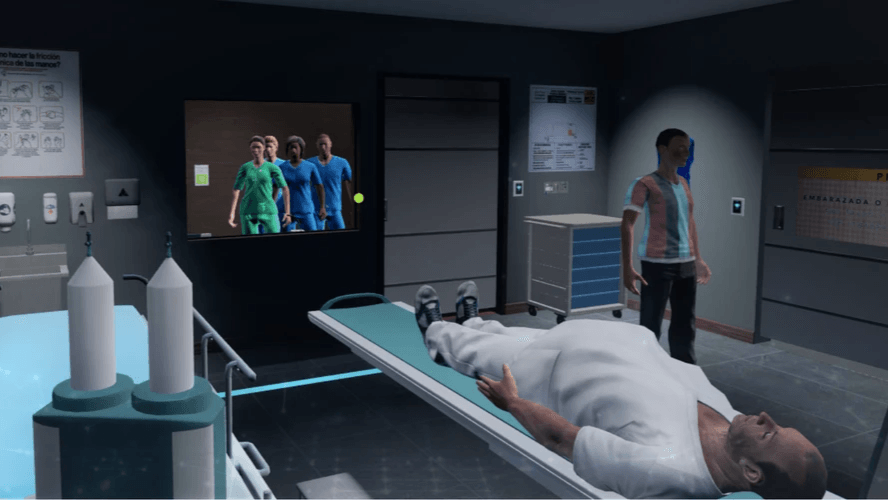


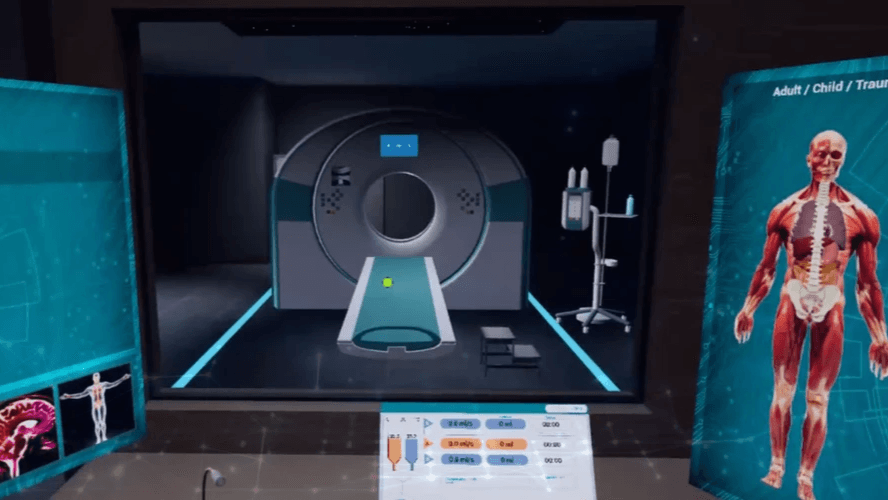
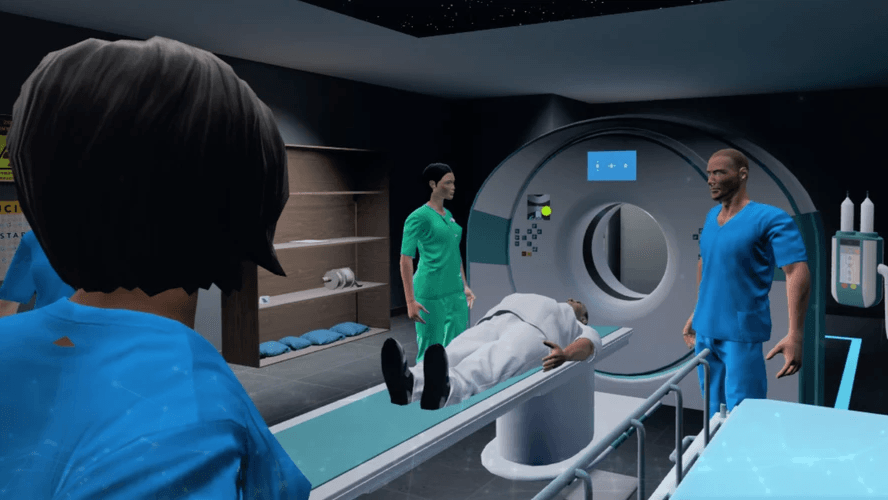
The DoReality Computed Tomography (CT) Simulator, developed in virtual reality, is an advanced clinical simulation tool designed to strengthen training in diagnostic imaging through experiential learning. It allows students and instructors to practice CT procedures in a safe, realistic, and repeatable virtual environment, integrating technical knowledge, clinical decision-making, and understanding of real-world clinical contexts.
Virtual Reality Simulation for Diagnostic Imaging Education
The DoReality CT simulator uses simulation as a pedagogical strategy, enabling users to learn not only cognitively but also emotionally and experientially. This methodology enhances understanding of procedures, improves knowledge retention, and prepares students to face real-life situations with greater confidence.
CT simulation integrates easily into healthcare training institutions, including technical and professional programs, technology centers, and educational entities seeking to modernize their teaching processes.

How Does the DoReality CT Simulator Work?
The simulator guides students through the complete workflow of a CT study, from patient preparation and positioning to image acquisition. During the experience, users must make key clinical decisions, analyze technical variables, and respond to scenario conditions just as they would in a real hospital setting.
The virtual reality experience allows procedures to be repeated as many times as necessary, promoting progressive learning without risk to real patients or equipment.
Emotional Learning and Clinical Decision-Making
One of the key differentiators of the DoReality CT simulator is its impact on emotional learning. By placing students within an immersive environment, simulation generates greater engagement, attention, and connection with the training process — key elements for consolidating clinical competencies.
This approach helps develop professional judgment, reduce errors, and improve preparation for real clinical practice, especially in high-responsibility contexts.
Simulation as an Educational Strategy for Instructors and Students
DoReality simulators enable instructors and trainers to use virtual reality simulation as a complementary educational tool aligned with current healthcare education standards and competency-based learning.
The CT Simulator supports teaching, facilitates performance evaluation, and transforms diagnostic imaging training into a more active, meaningful, and effective experience.
Our Clinical Simulators
Train in simulated environments.
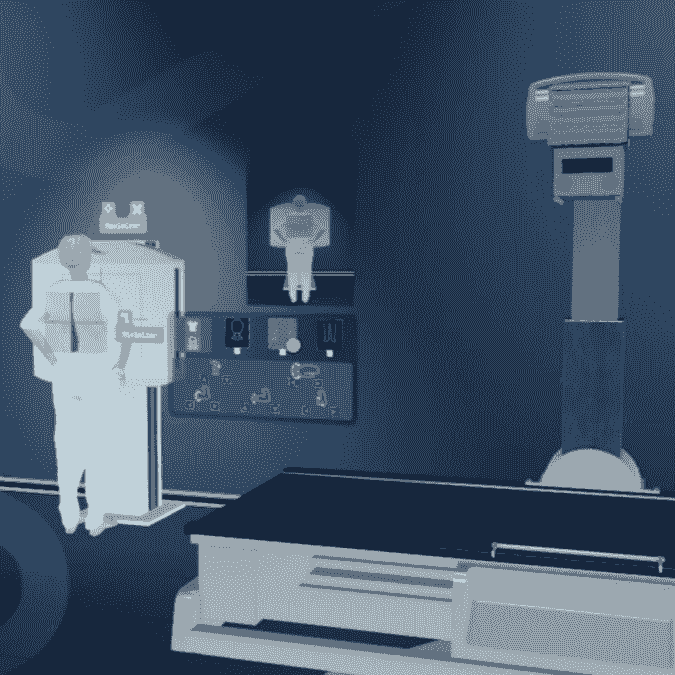
X-Ray
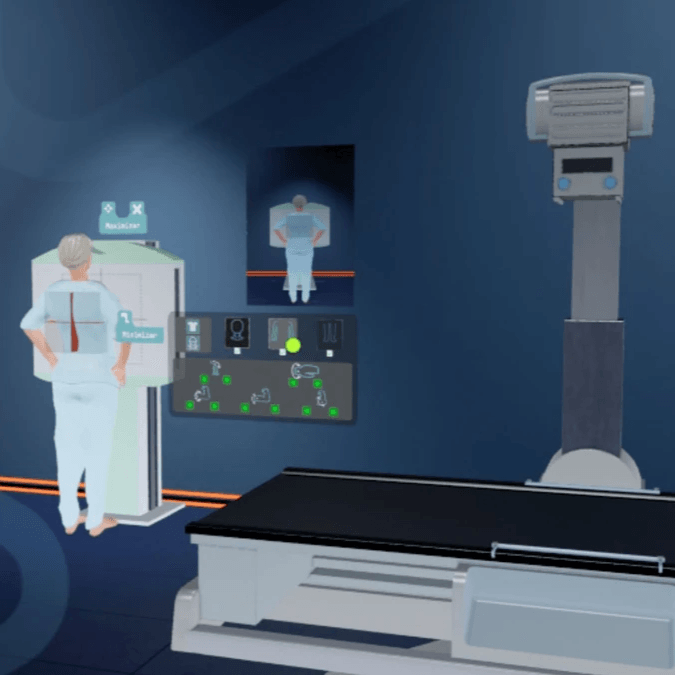
Refine positioning, parameter selection, and patient communication in realistic simulated scenarios. Ideal for strengthening both technical and soft skills.
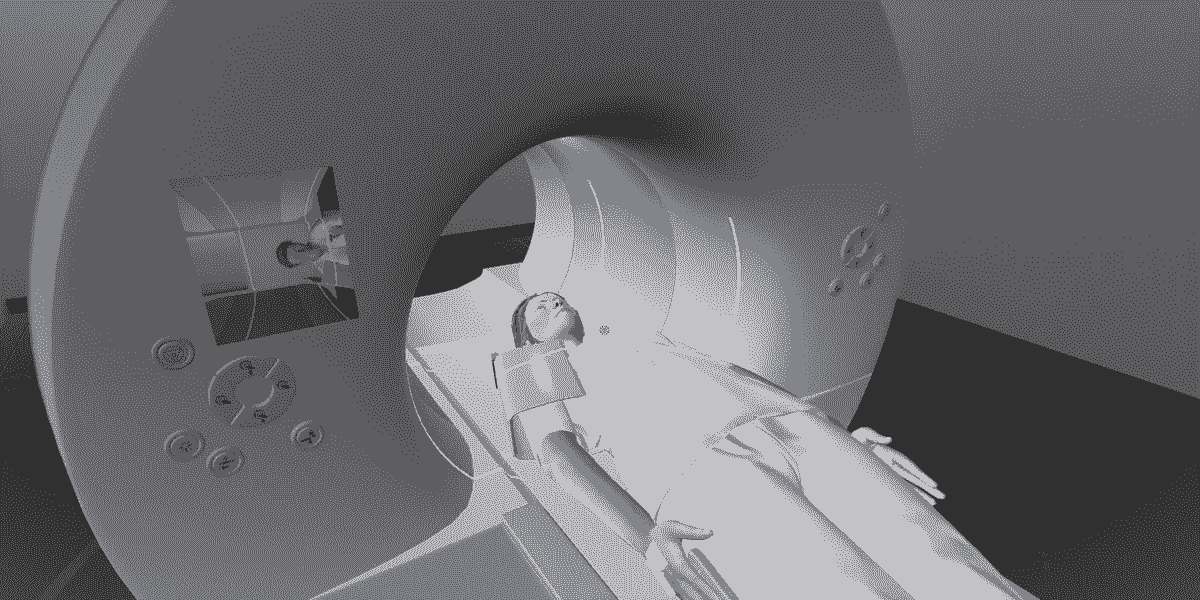
Magnetic Resonance Imaging (MRI)
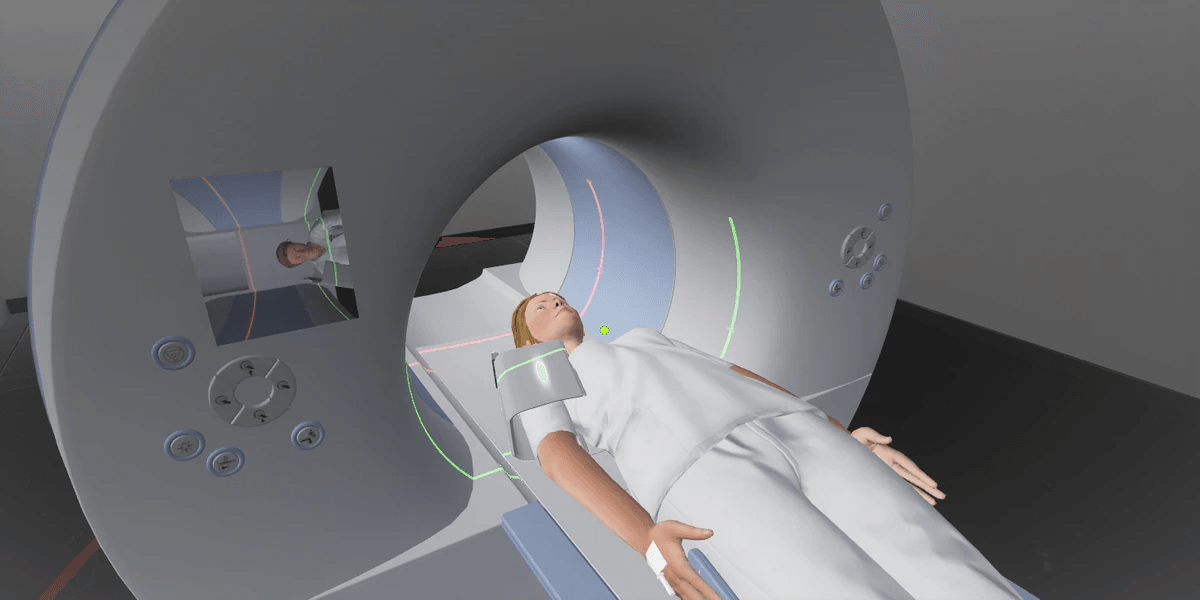
Explore the full patient workflow in MRI scenarios. Experience patient interaction and master the technique in a safe, immersive environment.
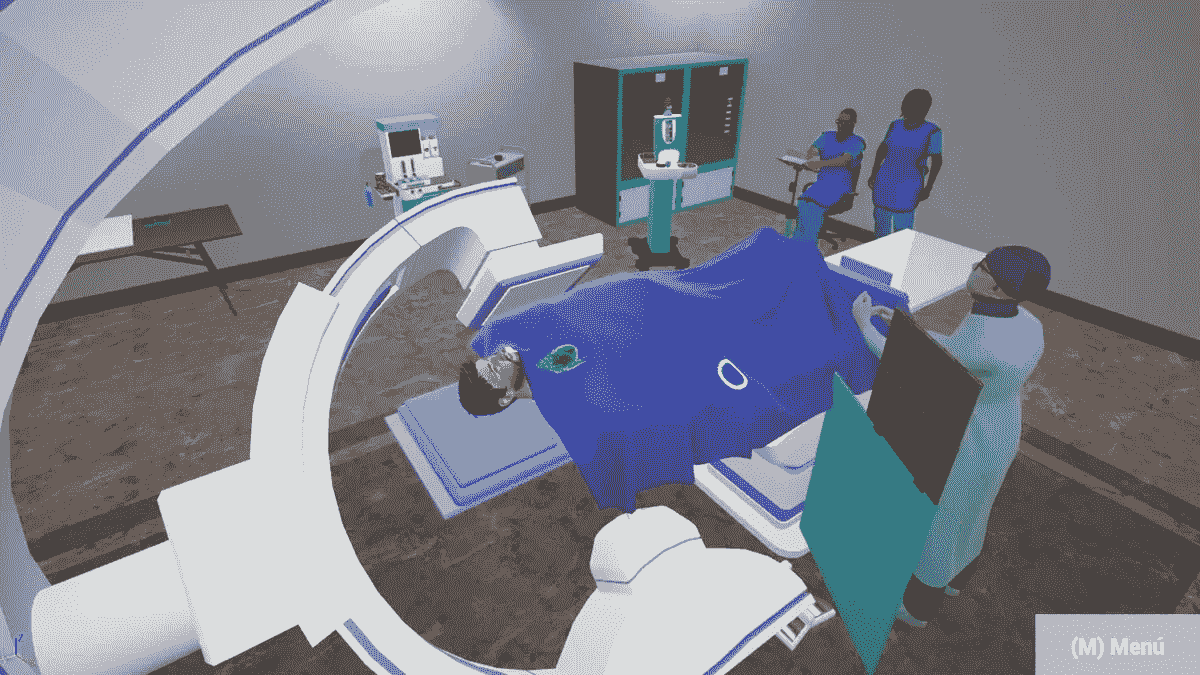
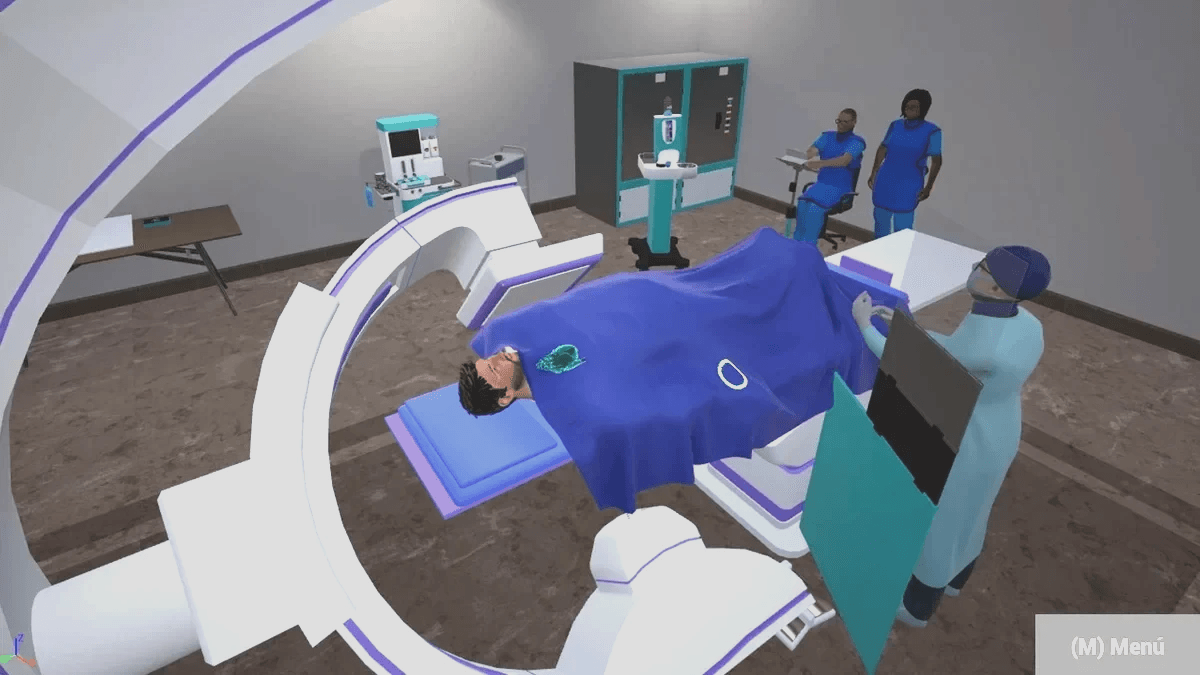
Angiography (AG)
A simulation tool designed for diagnostic imaging training programs, featuring realistic scenarios, automatic feedback, and learning traceability.
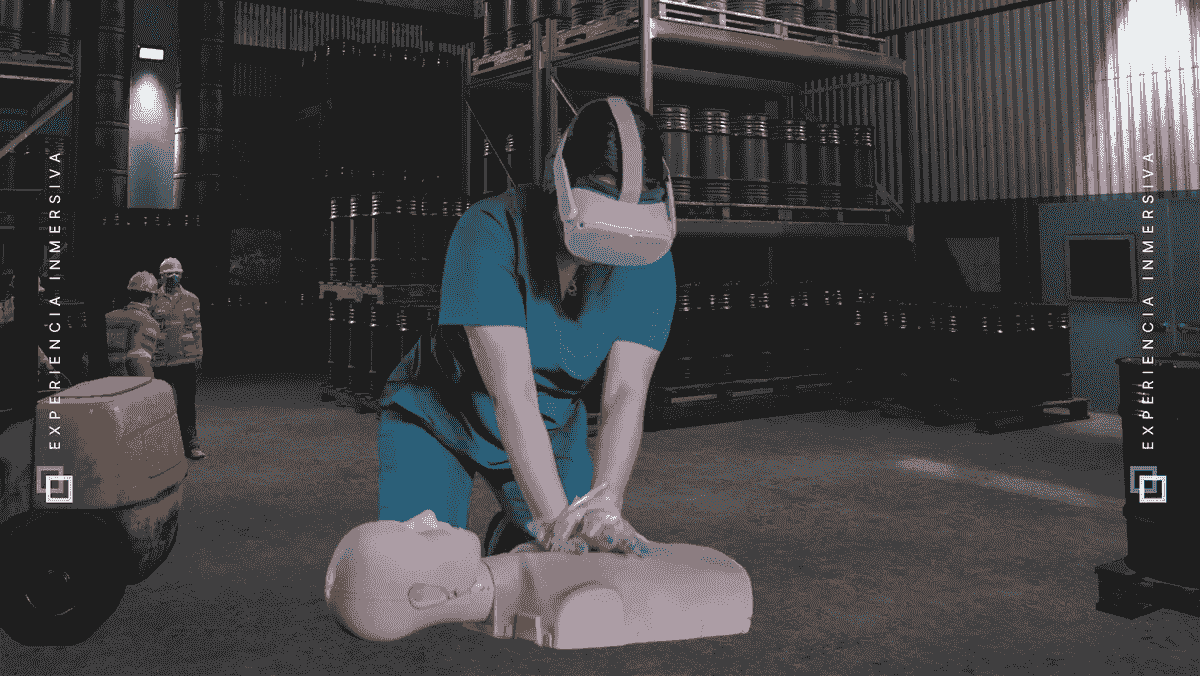
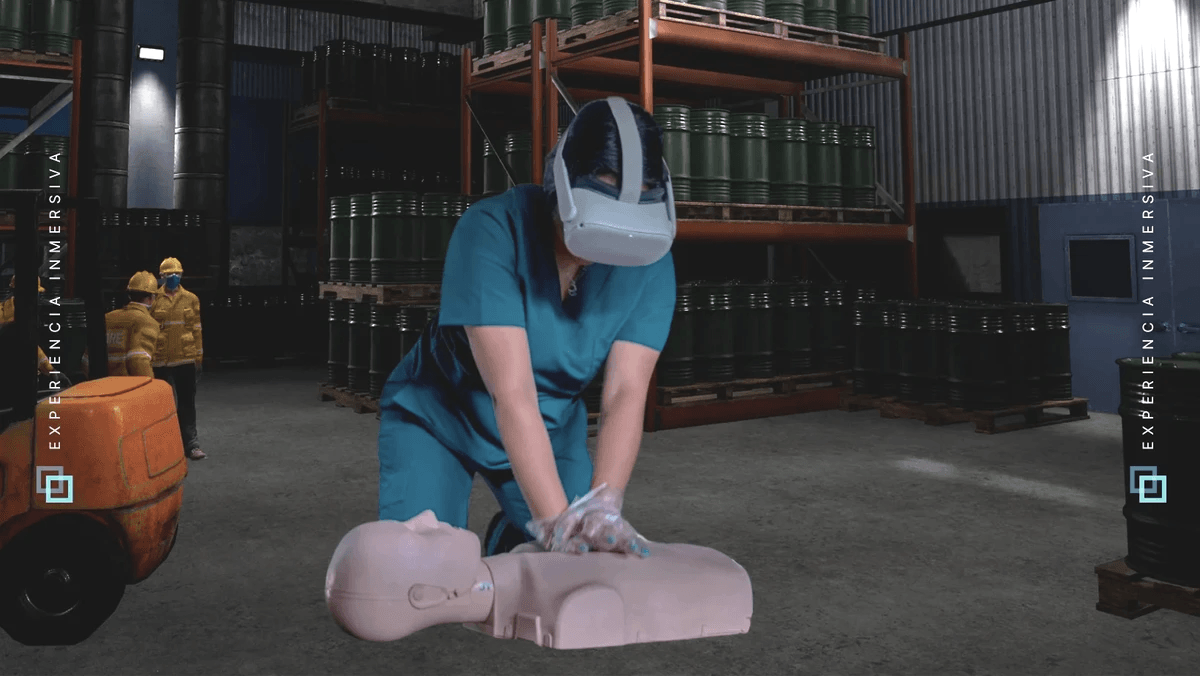
Cardiopulmonary Resuscitation (CPR)
Train your response in critical moments. Make decisions under pressure and build the confidence to act with precision when it matters most.
Indicators

+2500 students
Learning with VRDI simulators in Latin America and Spain

+11 years
Developing with virtual reality technology

+800,000 assessments
Conducted using VRDI simulators
Frequently Asked Questions
Find answers to the most common questions about our simulators.
What competencies does the CT simulator develop in students?
The simulator allows students to practice the full workflow of a CT study:
- Patient preparation
- Positioning
- Protocol selection
- Parameter configuration
- Diagnostic image acquisition
- Post-processing
- Image analysis
It strengthens:
- Technical judgment
- Decision-making
- Understanding of how each variable impacts diagnostic quality
Does the CT simulator interact with other equipment besides the scanner?
Yes. In simulation cases, the use of the injector is integrated to manage patients who require contrast-enhanced examinations of different anatomical structures. Additionally:
- Students can learn in detail about injector components
- And about the CT scanner components
Does the simulator allow simulation record tracking?
Yes, not only does it record simulations, but it also provides immediate feedback. Additionally, it enables traceability through indicators such as:
- Simulation time
- Average performance
- Ranking
Among others, including:
- Reports and recommendations to prevent repeated errors
Does the CT simulator support telesimulation?
Yes. One of the powerful features of the CT simulator is its ability to overcome geographical and environmental barriers in simulation-based education. This allows:
- Students and instructors to meet in the same virtual simulation scenario regardless of location
- Remote simulation implementation without losing fidelity or educational purpose
Does the simulator replace real clinical practice?
No. It complements and optimizes it by providing:
- Unlimited repetition in a safe environment
- Immediate feedback
- Fewer errors when transitioning to real scenarios
- Greater confidence before interacting with real equipment and patients
What types of institutions can implement the simulator?
It is designed for:
- Universities
- Technical institutes
- Healthcare training centers
It can be integrated into in-person, hybrid, or fully virtual learning modalities depending on the teaching model.
Address: Calle 29 # 41‑105, Office 1206, Medellín – Colombia
DoReality is an EDUKI brand
© 2023